Keep Your Lawn Green Year-Round in Cape Coral
How to Keep Your Lawn Green Year-Round in Cape Coral’s Climate
Let’s be honest, keeping a lawn lush and green in Cape Coral isn’t easy. Between the salty air, blazing sun, and sandy soil, our coastal climate can turn any bright green yard into a patchy brown mess if you’re not careful.
But here’s the good news: with the right local strategy, you can enjoy a vibrant, healthy lawn no matter the season. As someone who’s spent years helping Cape Coral homeowners transform their lawns, I can tell you success isn’t about working harder. It’s about working smarter with nature.
1. Understand Cape Coral’s Unique Climate
Cape Coral’s subtropical weather means hot, humid summers and mild, dry winters. The biggest mistake most people make? Treating their Florida lawn like a northern one.
Here’s what that means for your grass:
- Summer: Heavy rain and heat stress your soil, watch for fungus and overwatering.
- Winter: Cooler temps slow growth, but drought can still sneak in.
👉 Pro Tip: Choose warm-season grasses like St. Augustine, Bahia, or Zoysia. They’re built for Florida heat and salt tolerance.
I once worked with a homeowner near Pelican Boulevard who switched from Kentucky Bluegrass to St. Augustine Palmetto. Within two months, his lawn had transformed from brittle to carpet-thick, all because it matched our coastal environment.
2. Water Deeply But Not Every Day
Florida lawns don’t need daily watering, despite what most think. In fact, overwatering can suffocate the roots and promote the growth of weeds.
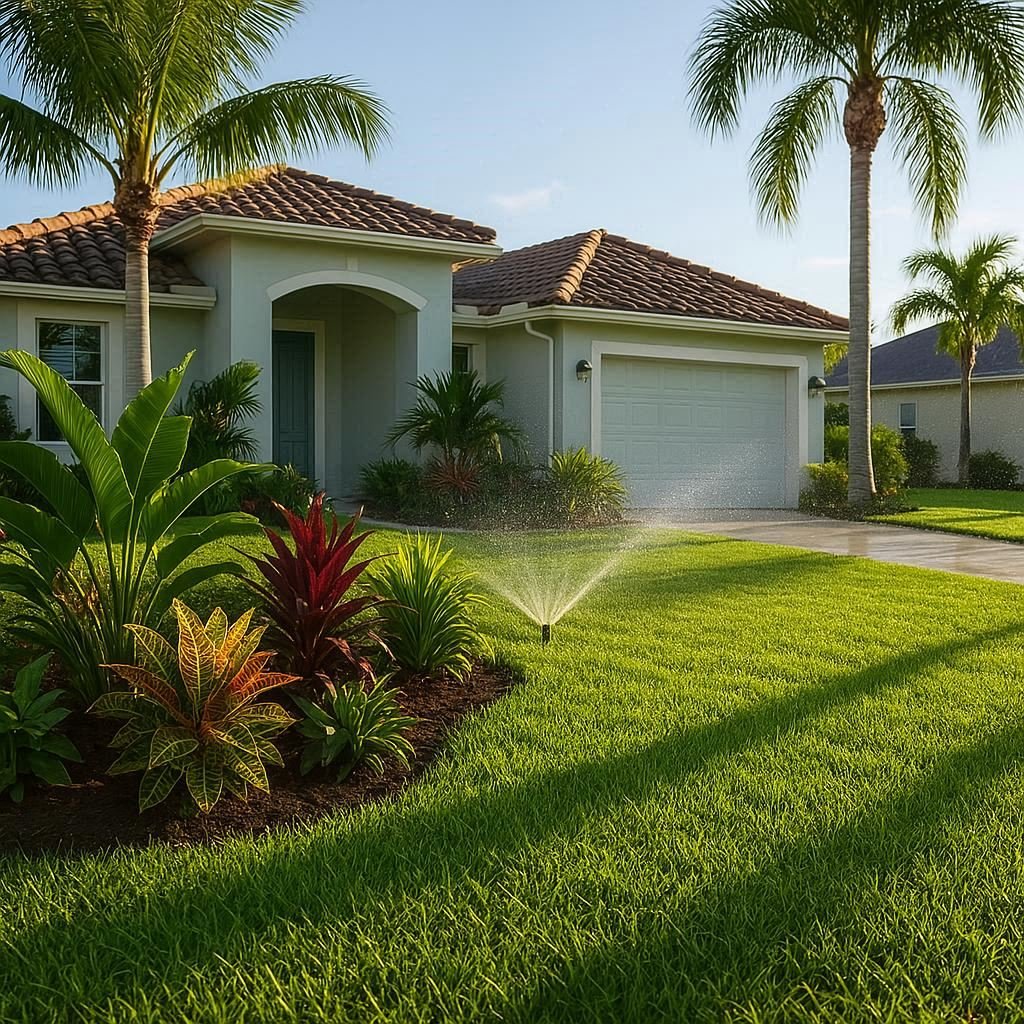
Water 2–3 times a week for 30–40 minutes per zone.
That encourages roots to grow deeper, which helps the lawn resist drought.
If you’re using an irrigation system, check for clogs or broken sprinkler heads every few weeks. Cape Coral’s hard water and mineral buildup can quickly block nozzles, wasting water and leaving dry patches.
Pro Tip: Schedule watering early in the morning to reduce evaporation and fungus risk.
3. Feed Your Lawn with the Right Fertilizer
A year-round green lawn isn’t about dumping fertilizer; it’s about timing it right.
Cape Coral’s sandy soil drains fast, so nutrients wash away easily.
Here’s a simple seasonal feeding plan:
- Spring (March–May): Use a slow-release nitrogen fertilizer to kickstart growth.
- Summer (June–August): Apply light iron supplements to maintain deep color.
- Fall (September–October): Add potassium to strengthen roots before cooler weather.
- Winter (November–February): Skip heavy feeding; focus on soil health instead.
If you’re unsure, your local extension office (University of Florida IFAS) offers free soil tests to help you pick the perfect blend.
4. Mow Smart, Not Short
Most Cape Coral homeowners mow too short, thinking it keeps the yard tidy. But that’s like giving your lawn a bad haircut; it weakens the blades and exposes roots to heat.
The sweet spot:
- St. Augustine: 3.5–4 inches
- Bahia: 3–4 inches
- Zoysia: 2–2.5 inches
Keep your mower blades sharp; dull ones tear the grass, causing brown tips.
And remember, never cut more than one-third of the blade height at once.
I learned this the hard way years ago while managing a lawn in SE Cape. The client insisted on a “golf-course short” look; within weeks, the grass thinned out, and weeds took over. A simple height adjustment revived it completely.
5. Aerate and Overseed When Needed
Over time, Cape Coral’s sandy soil compacts, especially in high-traffic areas.
Aeration (punching small holes in the soil) allows air, water, and nutrients to reach the roots again.
Do this once a year in early spring, then overseed with a heat-tolerant variety like Argentine Bahia.
This combo thickens your turf and prevents weeds before summer hits.
6. Add Native Landscaping Around Your Lawn
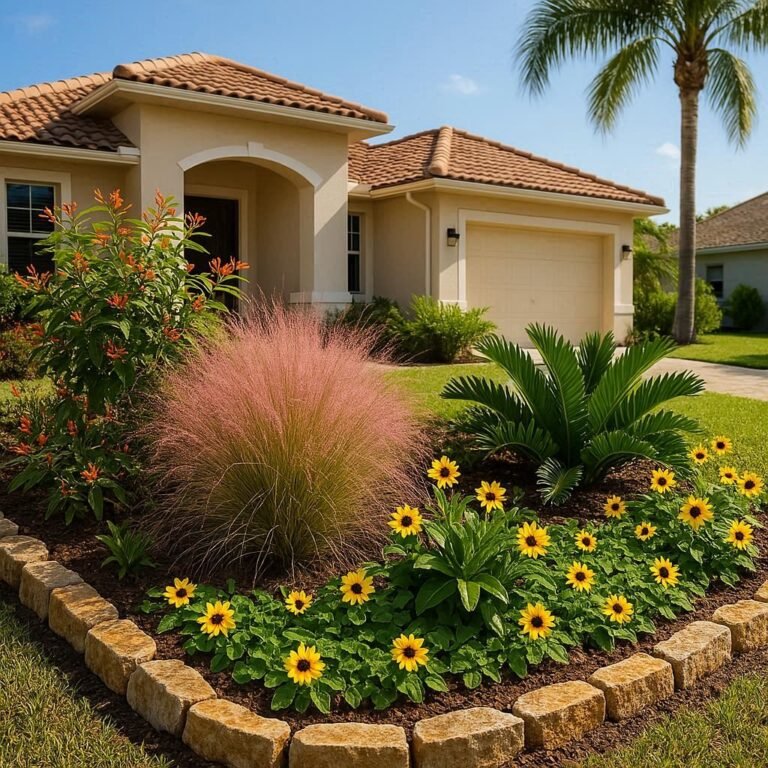
Want to save even more water and reduce mowing? Mix in native Florida plants like firebush, muhly grass, and coontie palms around your lawn edges.
These plants thrive naturally, attract pollinators, and create a tropical look with almost no effort.
It’s a great way to add depth while protecting your lawn from erosion and salt spray.
7. Plan for Storm Season
Cape Coral lawns face a unique challenge during hurricane season: flooding and debris.
Keep your gutters clear, trim weak branches, and raise your sprinkler heads slightly to avoid clogging.
After heavy rain, don’t mow right away. Wait until the soil dries to prevent compaction and fungal growth.
If storm debris covers your lawn, call a local yard cleanup service like Care Lawn Cape Coral; we safely remove fallen branches, mulch, and waste without damaging your turf.
Final Thoughts
Keeping your Cape Coral lawn green year-round isn’t about perfection; it’s about balance.
When you align your watering, mowing, and fertilizing habits with Florida’s natural rhythm, your lawn rewards you with deep color and healthy growth all year long.
Whether you’re managing a cozy family yard or a large coastal property, small, consistent care goes a long way.
And if you ever need help getting your lawn back on track, our Care Lawn Cape Coral team is just a call away. We specialize in sustainable, low-maintenance lawn care tailored to our Florida climate.
Call us or request a free estimate online. We’ll help you choose plants that save water, money, and time while making your home shine year-round.